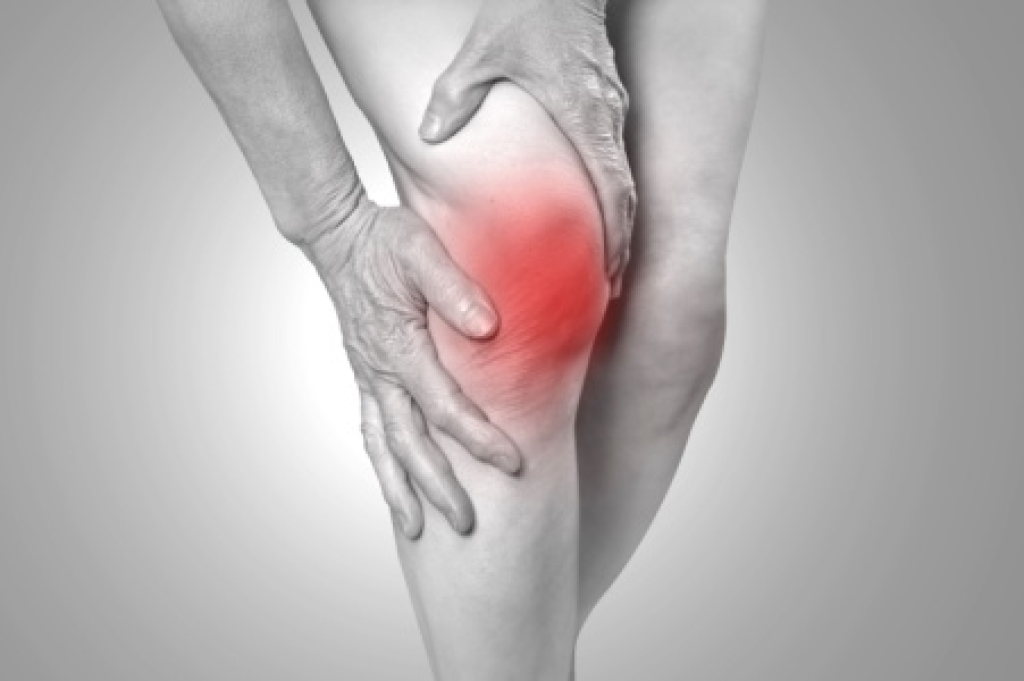
Knee pain makes walking, climbing stairs, and everyday movement uncomfortable. It may develop gradually from repeated strain or appear suddenly after an injury. Symptoms include aching, swelling, and difficulty bending or straightening the knee. The knee joint contains bones, cartilage, and other tissues that work together to support movement. When these structures become irritated or injured, pain affects mobility and confidence. Common causes include arthritis, tendon irritation, and overuse injuries. Understanding what triggers your knee pain helps you adjust daily activities and seek appropriate care before discomfort becomes a lasting problem.
Certain activities place repeated pressure on the knee joint, particularly when performed frequently or with poor technique. Kneeling for long periods can irritate tissues at the front of the knee and may contribute to bursitis. Using a cushion and changing positions regularly may help reduce pressure. Squats strengthen the muscles around the legs, but deep or repeated squats may aggravate knee pain. This is especially true when form is poor or the load is too heavy. Keep movements controlled and avoid pushing through sharp discomfort. Bike riding is often a low-impact activity, yet an incorrectly adjusted seat can place extra stress on the knees. If pain develops while cycling, check the seat height and reduce resistance until symptoms settle.
Risk factors for knee pain include older age, excess body weight, and sudden increases in exercise. Weak supporting muscles also affect how pressure moves through the joint. Arthritis may cause pain and stiffness, especially after resting, while tendon problems can create soreness around the kneecap during activity. Ligament injuries may cause swelling or a feeling that the knee is unstable. Repeated strain can worsen existing conditions, so persistent symptoms should not be ignored.
A chiropractor reviews your health history, assesses posture and movement, and examines how the hips, legs, and feet may influence knee mechanics. Depending on the findings, care may include appropriate mobility exercises, advice about activity changes, and recommendations for safer movement patterns. If you have knee pain that interferes with daily activities, it is suggested that you consult a chiropractor to explore effective relief and management solutions.
Knee Pain
Knee pain is a frequent complaint that can arise from injuries, overuse, arthritis, or misalignments in the body. This pain can disrupt daily life, limiting movement and impacting quality of life. Knee discomfort often develops when the body’s structural alignment is off, which places extra strain on the knee joint and surrounding muscles and ligaments.
Chiropractic care focuses on reducing knee pain by assessing and addressing alignment throughout the lower body. Gentle adjustments may be used to realign the knee and correct imbalances in the hip, pelvis, and spine that contribute to excessive knee stress. Restoring alignment in these areas can relieve pressure on the joint, ease pain, and promote improved mobility.
To support these adjustments, chiropractors often incorporate exercises, stretches, and lifestyle guidance to improve strength and flexibility around the knee. Strengthening muscles surrounding the joint can offer additional stability, helping to prevent future injuries.
Is knee pain treatment going to be painful?
Patients may worry that adjustments or other treatments will hurt. Chiropractors reassure patients that the techniques used are generally gentle, with any discomfort being mild and short-lived. They work within the patient’s pain tolerance.
How many sessions will I need?
Frequency and number of sessions depend on the pain’s severity and the patient’s response to treatment. Chiropractors often suggest a treatment plan tailored to the individual, sometimes starting with frequent visits and tapering as improvement occurs.
If you have any questions please feel free to contact our office located in Medford, NJ .
 Back to Homepage
