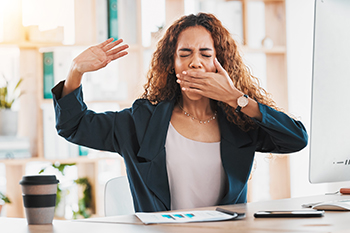
How Stress Affects Your Energy
Stress and low energy often go hand in hand, with prolonged stress draining both physical and mental vitality. Chronic stress can lead to fatigue, trouble concentrating, irritability, and even physical symptoms like headaches, muscle tension, and digestive issues. Over time, the body's ability to recover and maintain energy levels diminishes, making it harder to manage daily tasks or enjoy activities.
The Stress Response
Stress triggers the body's "fight or flight" response, releasing hormones like cortisol that, when persistent, can negatively impact sleep, mood, and overall well-being. As energy reserves deplete, the cycle of stress and fatigue intensifies, further affecting health.
How Chiropractic Care Helps
Chiropractic adjustments help improve nervous system function and alleviate physical symptoms of stress, allowing the body to recover more efficiently. If stress and low energy are affecting your quality of life, consider scheduling a consultation to explore your options for regaining energy and reducing stress.
Frequently Asked Questions
How does stress affect energy levels?
Prolonged stress drains both physical and mental vitality. Over time the body's ability to recover and maintain energy diminishes, making it harder to manage daily tasks or enjoy activities. As energy reserves deplete, the cycle of stress and fatigue intensifies.
What are the physical symptoms of chronic stress?
Chronic stress can lead to fatigue, trouble concentrating and irritability, along with physical symptoms such as headaches, muscle tension and digestive issues.
What is the fight or flight response?
Stress triggers the body's fight or flight response, releasing hormones such as cortisol. When that response is persistent rather than short-lived, it can negatively affect sleep, mood and overall well-being.
Can chiropractic care help with stress?
Chiropractic adjustments help improve nervous system function and ease the physical symptoms of stress, allowing the body to recover more efficiently.
